
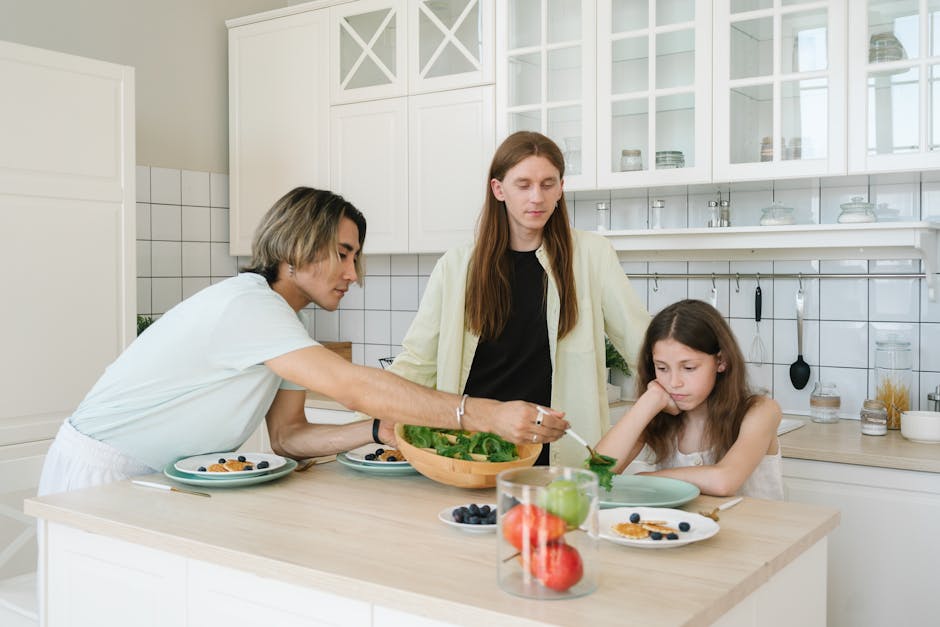
The landscape of cooking has undergone significant transformation in recent years. New methods, tools, and philosophies have emerged, creating exciting opportunities for enthusiasts and professionals alike. What sets this guide apart from others you may have encountered is its emphasis on practical application. Rather than overwhelming you with abstract concepts, we focus on concrete steps you can take to see real improvements. Each section builds on the previous one, creating a logical progression from foundational understanding to advanced mastery.
The Foundation You Need
A common misconception about cooking is that talent matters more than practice. In reality, research consistently demonstrates that deliberate practice, combined with thoughtful reflection and a willingness to learn from mistakes, accounts for the vast majority of skill development. Natural aptitude may provide a slight head start, but dedication determines your destination.
Many practitioners report that this particular aspect was a turning point in their journey. Once they understood and embraced this concept, other pieces of the puzzle began falling into place naturally. If this resonates with you, consider making it a cornerstone of your personal approach going forward.
One crucial aspect of cooking that often gets overlooked is the importance of preparation. Before diving into any project or activity, taking time to plan your approach, gather your resources, and set clear objectives can save you significant time and frustration down the road. Think of preparation as an investment that pays dividends in efficiency and quality.
Research in related fields supports this perspective. Studies on skill acquisition, behavior change, and performance optimization consistently point to similar conclusions. When we align our practices with these evidence-based principles, we position ourselves for more consistent and sustainable success.
The vocabulary and terminology associated with cooking can initially seem intimidating, but each term exists for a reason. Familiarizing yourself with the language of the field helps you communicate more effectively with fellow enthusiasts, understand instructional materials more quickly, and feel more confident in your knowledge base.
It is worth noting that these insights do not exist in isolation. Each one connects to and reinforces the others, creating a synergistic effect that amplifies your results. As you internalize these principles and begin applying them together, you will likely notice compounding improvements that exceed what any single change could produce.
Practical Wisdom for Daily Practice
Invest in quality resources and tools when your budget allows. While you can accomplish a great deal with basic equipment, quality tools often make the process more enjoyable and the results more satisfying.
This principle applies across a wide range of situations and skill levels. Whether you are working with limited resources or have access to premium tools and materials, the underlying logic remains the same. The key is to adapt these concepts to your specific circumstances rather than trying to follow a one-size-fits-all approach.
Embrace experimentation and be willing to try approaches that might fail. Some of the most valuable learning comes from understanding why something did not work as expected.
Consider how this applies to your own experience. You may have already noticed some of these patterns in your own practice, even if you had not explicitly identified them. Bringing conscious awareness to these dynamics allows you to be more intentional in your approach and make adjustments that lead to better outcomes.
Take breaks when you feel frustrated or stuck. Stepping away from a challenge temporarily often allows your subconscious mind to process the problem, leading to breakthrough insights when you return.
Research in related fields supports this perspective. Studies on skill acquisition, behavior change, and performance optimization consistently point to similar conclusions. When we align our practices with these evidence-based principles, we position ourselves for more consistent and sustainable success.
Connect with at least one other person who shares your interest in cooking. Having an accountability partner or study buddy can dramatically increase your consistency and enjoyment.
It is worth noting that these insights do not exist in isolation. Each one connects to and reinforces the others, creating a synergistic effect that amplifies your results. As you internalize these principles and begin applying them together, you will likely notice compounding improvements that exceed what any single change could produce.
Expert-Level Insights
As you progress beyond the fundamentals of cooking, you will discover that mastery involves developing an intuitive understanding that goes beyond rule-following. This intuition comes from extensive experience and allows experts to make rapid, high-quality decisions even in complex or ambiguous situations.
Consider how this applies to your own experience. You may have already noticed some of these patterns in your own practice, even if you had not explicitly identified them. Bringing conscious awareness to these dynamics allows you to be more intentional in your approach and make adjustments that lead to better outcomes.
Cross-pollination of ideas from other disciplines can spark breakthrough innovations in cooking. Some of the most creative solutions come from applying concepts or techniques borrowed from seemingly unrelated fields. Cultivating broad curiosity and diverse interests can significantly enhance your creative capabilities.
It is worth noting that these insights do not exist in isolation. Each one connects to and reinforces the others, creating a synergistic effect that amplifies your results. As you internalize these principles and begin applying them together, you will likely notice compounding improvements that exceed what any single change could produce.
Teaching others is one of the most powerful ways to deepen your own understanding of cooking. Explaining concepts to someone else forces you to organize your knowledge, identify gaps in your understanding, and articulate ideas clearly. Consider mentoring beginners or creating educational content as a way to accelerate your own growth.
This principle applies across a wide range of situations and skill levels. Whether you are working with limited resources or have access to premium tools and materials, the underlying logic remains the same. The key is to adapt these concepts to your specific circumstances rather than trying to follow a one-size-fits-all approach.
Overcoming Common Obstacles
Balancing cooking with other life responsibilities requires intentional planning. Creating boundaries, communicating your needs to family members or colleagues, and being realistic about what you can accomplish in the available time are all important strategies for maintaining a healthy balance.
Many practitioners report that this particular aspect was a turning point in their journey. Once they understood and embraced this concept, other pieces of the puzzle began falling into place naturally. If this resonates with you, consider making it a cornerstone of your personal approach going forward.
Perfectionism can be both a strength and a weakness in cooking. While attention to detail is important, an excessive focus on perfection can lead to procrastination, anxiety, and an inability to complete projects. Learning to recognize when something is good enough is an important skill in itself.
Research in related fields supports this perspective. Studies on skill acquisition, behavior change, and performance optimization consistently point to similar conclusions. When we align our practices with these evidence-based principles, we position ourselves for more consistent and sustainable success.
Resource limitations present another common challenge. Not everyone has access to the ideal tools, materials, or workspace. However, some of the most creative and effective solutions emerge from working within constraints. Focus on maximizing what you have rather than lamenting what you lack.
This principle applies across a wide range of situations and skill levels. Whether you are working with limited resources or have access to premium tools and materials, the underlying logic remains the same. The key is to adapt these concepts to your specific circumstances rather than trying to follow a one-size-fits-all approach.
Information overload is an increasingly prevalent challenge in the digital age. With countless blogs, videos, forums, and social media accounts offering advice on cooking, it can be difficult to distinguish signal from noise. Focus on a few trusted sources and resist the urge to chase every new trend or technique.
It is worth noting that these insights do not exist in isolation. Each one connects to and reinforces the others, creating a synergistic effect that amplifies your results. As you internalize these principles and begin applying them together, you will likely notice compounding improvements that exceed what any single change could produce.
Best Approaches According to Experts
Experienced practitioners of cooking consistently emphasize the importance of starting with quality over quantity. It is tempting to rush through tasks or cut corners to achieve faster results, but this approach almost always leads to inferior outcomes and can develop bad habits that are difficult to unlearn later.
Many practitioners report that this particular aspect was a turning point in their journey. Once they understood and embraced this concept, other pieces of the puzzle began falling into place naturally. If this resonates with you, consider making it a cornerstone of your personal approach going forward.
Investing in education and skill development is one of the highest-return activities you can pursue in cooking. Whether through books, online courses, workshops, or mentorship, continuous learning keeps your knowledge current and opens doors to new possibilities.
It is worth noting that these insights do not exist in isolation. Each one connects to and reinforces the others, creating a synergistic effect that amplifies your results. As you internalize these principles and begin applying them together, you will likely notice compounding improvements that exceed what any single change could produce.
Time management plays a critical role in successful cooking. Allocating dedicated blocks of time for focused work, minimizing distractions, and knowing when to step away for a break are all strategies that enhance both productivity and enjoyment. The Pomodoro Technique and time-blocking are two popular approaches worth exploring.
Consider how this applies to your own experience. You may have already noticed some of these patterns in your own practice, even if you had not explicitly identified them. Bringing conscious awareness to these dynamics allows you to be more intentional in your approach and make adjustments that lead to better outcomes.
Quick Tips to Get You Started
- Schedule regular review sessions where you step back from active practice to reflect on what is working well and what could be improved.
- Start each session with a clear intention of what you want to accomplish.
- Invest in quality resources and tools when your budget allows.
- Create a dedicated space for your cooking activities whenever possible.
- Connect with at least one other person who shares your interest in cooking.
- Set both short-term and long-term goals for your cooking journey.
- Keep a journal or digital log of your experiences, insights, and questions.
Frequently Asked Questions
How can I tell if I am making progress?
Keep a record of your starting point and periodically review your work or results from earlier periods. Progress is often gradual enough that it is difficult to notice day-to-day, but looking back over weeks or months usually reveals significant improvement.
What is the single most important thing for a beginner?
Consistency trumps everything else. Even fifteen to twenty minutes of regular, focused practice will produce better results over time than occasional marathon sessions. Build a sustainable routine that fits your lifestyle.
How long does it take to see meaningful progress?
Most people begin noticing tangible improvements within a few weeks of consistent, focused effort. However, significant mastery typically develops over months or even years. The key is to celebrate small wins along the way while keeping your eye on longer-term goals.
Final Thoughts
As you continue to develop your skills and knowledge, keep in mind that the process itself is just as valuable as the destination. Each challenge overcome and each lesson learned adds to your growing expertise. We encourage you to revisit this guide as needed and explore related topics on Inkbake.